The Emperor’s Medicine
How many drugs are you on? How long have you been on each of them? The current medical system likes to promote itself as “health care” but the truth is that it is more akin to disease management.
This was not always the case.
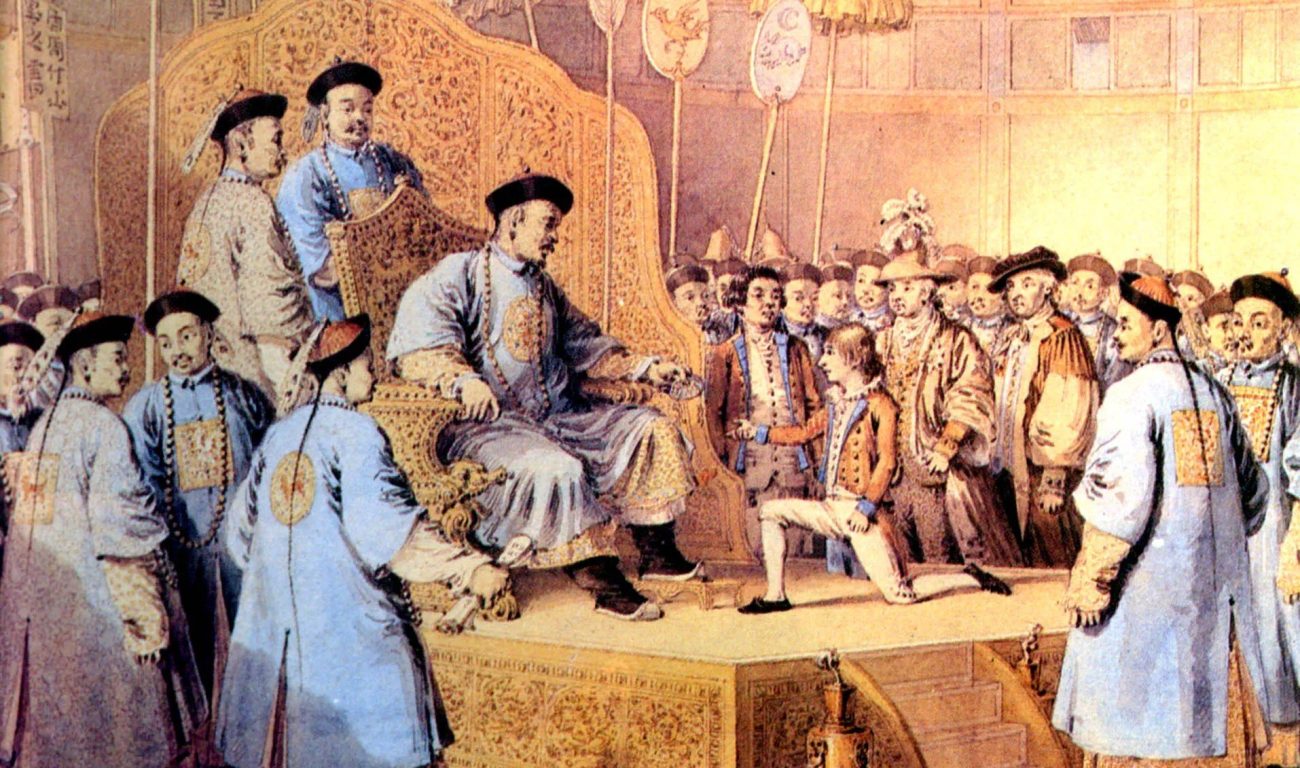
In ancient China, the emperor had his own personal physician. The role of this physician was different than the role of physicians today.
While he would treat the emperor if he ever became ill, his major role was to make sure that condition never happened. The physician’s role was to keep the emperor vibrant and healthy into a very old age.
This was done in two ways. The physician would constantly monitor the emperor’s body for signs of imbalance, looking for early signs of dysfunction in any of the organs or systems of the body. He would then take measures to correct this dysfunction before it became severe.
This is still done with modern medicine in which examinations or lab tests show the problems.
The difference is that today, patients are put on medications which they may have to stay on for long periods of time, or even the rest of their lives.
In the emperor’s time, the goal was to give the patient medicine that helped the body correct the dysfunction, bringing the patient back to a full state of function and then take the patient off of the medicine.
The goal was to employee strategies that would promote a high level of functioning in the body. Two examples of this were promoting good circulation throughout the body and helping the cells to make energy more efficiently.
As the body gets older, circulation can be compromised in various areas affecting the level of function in different organs and systems. Opening up the blood flow can increase the function of the body’s system and help the patient to feel more vibrant.
These strategies are still used in Chinese medicine today.