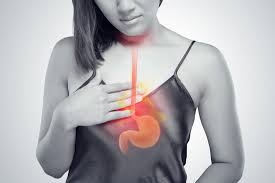
Acid reflux is a common medical problem. While the condition can be painful, it can also be dangerous.
Continued acid reflux up into the esophagus can develop into a condition called Barrett’s Esophagus which damages the cells of the esophagus. Generally within the next eight years, 5% of the people who develop Barrett’s Esophagus will develop esophageal cancer.
The conventional medical way of treating gastroesophageal reflux disease (GERD) is to prescribe a proton pump inhibitor such as Nexium, Prilosec or Prevacid. These medications decrease the amount of acid produced by the stomach. The reasoning here is that if there is less acid in the stomach, then there will be less acid which refluxes up into the esophagus.
There are, however, flaws in this reasoning. Your body makes a strong acid in your stomach for a number of reasons. First, it helps in the breakdown or proteins. If you lower the acid level in the stomach, your ability to break down and then assimilate proteins decreases.
The acid also is designed to kill any bacteria in your food. If the level of acid is decreased, it is possible that a bacterial infection can enter the body through the stomach and intestines.
The second flaw in this reasoning is that the problems is not that the stomach is making too much acid. It is that the acid is being refluxed up in the esophagus, a place it is not supposed to reach.
On the top of the stomach is a circular muscle known as the cardiac sphincter which, when working properly, prevents acid from refluxing up into the esophagus. The vagus nerve controls the functioning of the cardiac sphincter.
When a person is stressed, they can tighten a muscle in the front of the neck called the sternocleidomastoid muscle. This muscle, when tightened, can affect the vagus nerve and the functioning of the cardiac sphincter. Acupuncture and massage can decrease stress and a tight SCM muscle.