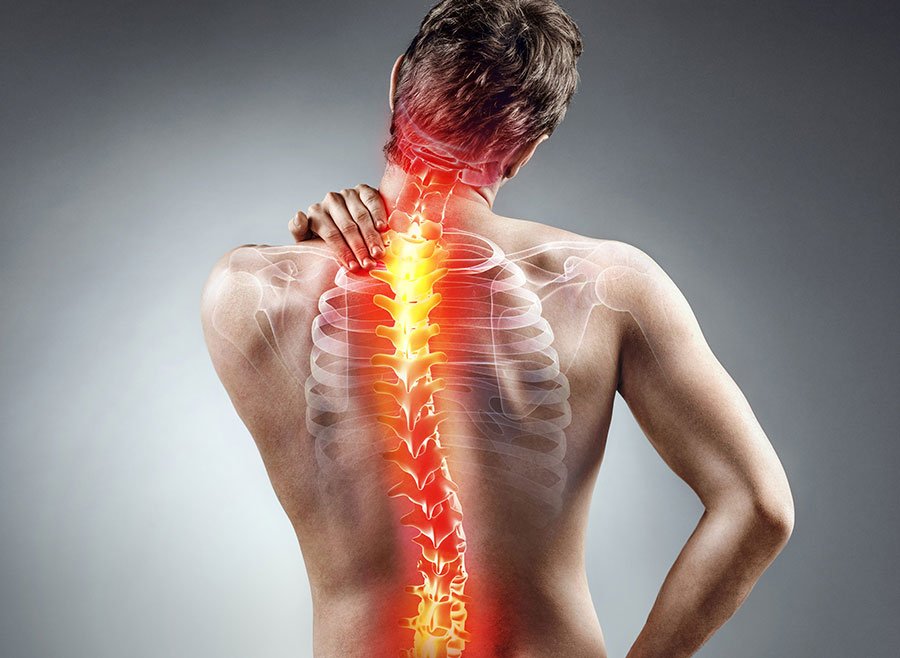
Most people suffer from back pain at one time or another in their lifetime. This pain can be debilitating and negatively affect many areas of a person’s life.
Most people with back pain will seek help from a medical professional. This person will then be sent for X-rays or an MRI to try and determine what is causing the pain.
Many times a person will be told there is nothing that can be seen in the imaging or the changes are minor and do not seem to reflect the level of pain the patient is experiencing.
There is a flaw in this method of diagnosis. Many people with back pain will be fine while laying down but experience back pain when sitting, standing or walking for a period of time.
This is due to gravity pressing down on the spine or the position of the spine pressing on a vulnerable painful structure. Ideally, the imaging should be taken in the position which causes the patient pain to better understand what structures are being affected.
Unfortunately most X-ray and MRI machines cannot produce an image with the patient sitting or standing.
If imaging cannot tells what’s wrong, orthopedic tests may give a clue. One such test is by having the patient lean forward like they are touching their toes.
This movement presses the intervertebral discs back backward against the spine. If pain increases while leaning forward, there is a high probability the back pain is due to a disc problem.
If a patient leans straight backward and the pain in the back increases, this is usually a problem of the vertebral (spinal) facets, the most posterior aspect of the vertebrae. If the person leans backward and twists slightly to the left and right and pain is elicited, it is highly probable that a nerve is being pinched. This movement decreases the space where the nerve comes out of the spine.
These are a few examples of ways to diagnose back pain. These and others can help fine tune the diagnosis so that the patient receives proper treatment to relieve the pain.