
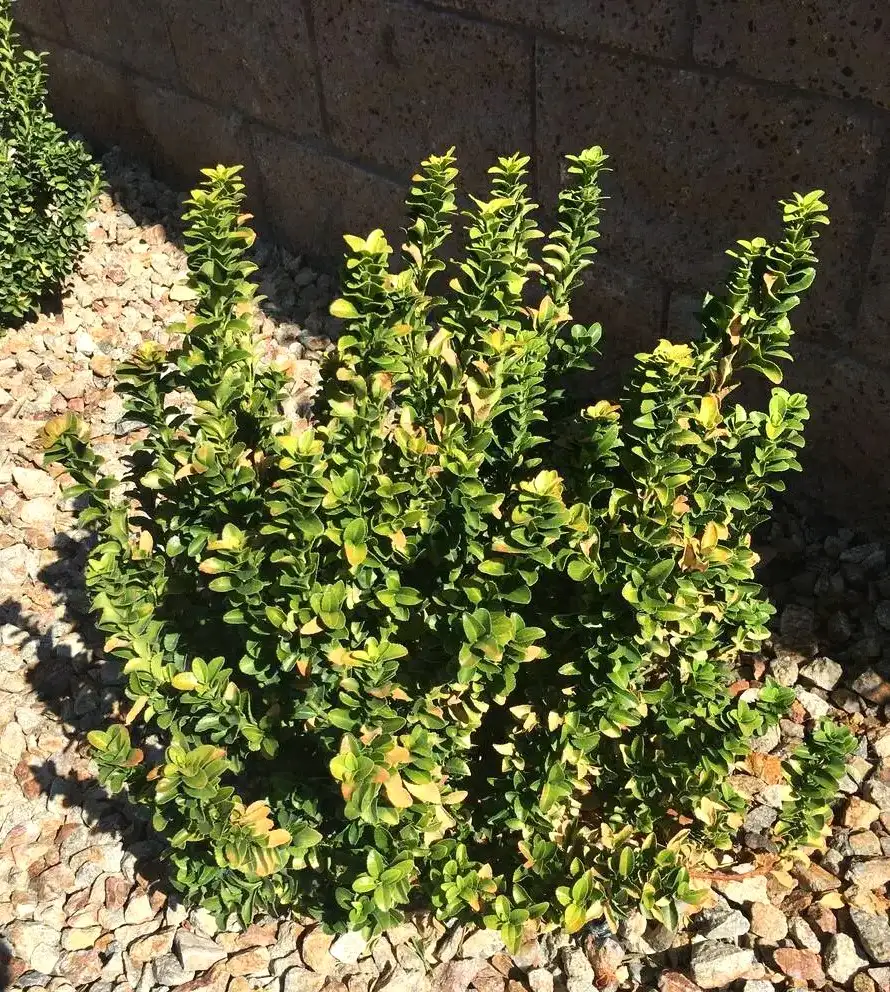
For many residents of Southern Nevada, getting used to summer’s excessively high temperatures and low humidity can be quite challenging. For plants; these factors can also affect their actual survivals!
Interesting Fact: In southern Nevada, we have two main growing seasons. March – June and September – November. July and August are too hot and dry to permit most non-native vegetation from growing.
During this time, non-native plants and delicate native plants can go into a period of dormancy. Non-natives, without major gardener intervention, can even die off.
With the proper attention, however, many flowering plants, as well as fruits and vegetables, will continue to grow. Your goals, therefore, are to conserve soil moisture, reduce soil heat and prevent excessive plant sun damage.
One of the greatest threats to plant survival during the summer is the effect of rock mulch on your landscape. The widely used mulch that surrounds your landscaping can reach ground temperatures in excess of 160 degrees! This can cause vegetation to burn and die.
Therefore, make certain that rocks (both big and small) are pushed away from plants located in areas exposed to direct sunlight for long periods of time. Surround these plants instead with wood mulch or peat moss. This will lower ground temperatures by about 60 degrees and will keep moisture in the soil around the roots.
Another way to prevent heat and sun damage is to water when there is not full sunlight. Water droplets act as magnifying glasses that intensify the sun’s ray onto the leaves, flowers, fruits and vegetables causing plant damage. Plan to irrigate just before sunrise and after sunset.
Since any new growth on plants will be exposed to intense and prolonged sun exposure, refrain from applying plant food that will stimulate rapid growth. In addition, do not add any new plants to your landscape in July-August since they will be adversely affected by sun and heat.
Only palm trees can be planted or receive fertilizer during the summer months. Because we live in the Mohave Desert, we must be proactive in protecting our plants.
Have questions? Contact me via email.
